

The Sacred Valley of the Incas, known in Spanish as Valle Sagrado, is a fertile stretch of the Andes that runs alongside the Urubamba River between Pisac and Ollantaytambo, near Cusco, Peru. Once the agricultural and spiritual heartland of the Inca Empire, the valley today combines archaeological sites, colorful markets, traditional villages, and dramatic mountain scenery, making it one of the most rewarding destinations to explore before or after visiting Machu Picchu.
Where Is the Sacred Valley of the Incas Located?
The Sacred Valley stretches roughly 60 kilometers northwest of Cusco city, following the course of the Urubamba (or Vilcanota) River at an average altitude of 2,800 meters, lower than Cusco itself. This milder climate and rich soil made the valley the Inca Empire’s most important agricultural region, and it remains an active farming area today, producing corn, potatoes, and quinoa.
Why Was the Sacred Valley Important to the Incas?
For the Inca civilization, the valley held both practical and spiritual significance. Its warm microclimate allowed for exceptional crop yields, while its alignment with sacred mountains, or apus, made it a center of religious ceremony. The Incas built royal estates, agricultural terraces, and ceremonial centers throughout the valley, several of which remain remarkably well preserved.
Top Places to Visit in the Sacred Valley of the Incas
Pisac
Pisac combines an impressive archaeological complex with one of Peru’s most famous artisan markets. The ruins sit high above the town and include agricultural terraces, ceremonial baths, and a hilltop temple dedicated to the sun. Down in the town square, the market offers textiles, silver jewelry, and ceramics, especially lively on Sundays, Tuesdays, and Thursdays.
Ollantaytambo
Often called a «living Inca town,» Ollantaytambo still follows its original Inca urban layout, with stone canals running through cobbled streets. Its fortress-temple, built on a steep hillside, was the site of one of the few Inca military victories against the Spanish. Ollantaytambo is also the main departure point for trains to Machu Picchu.
Chinchero
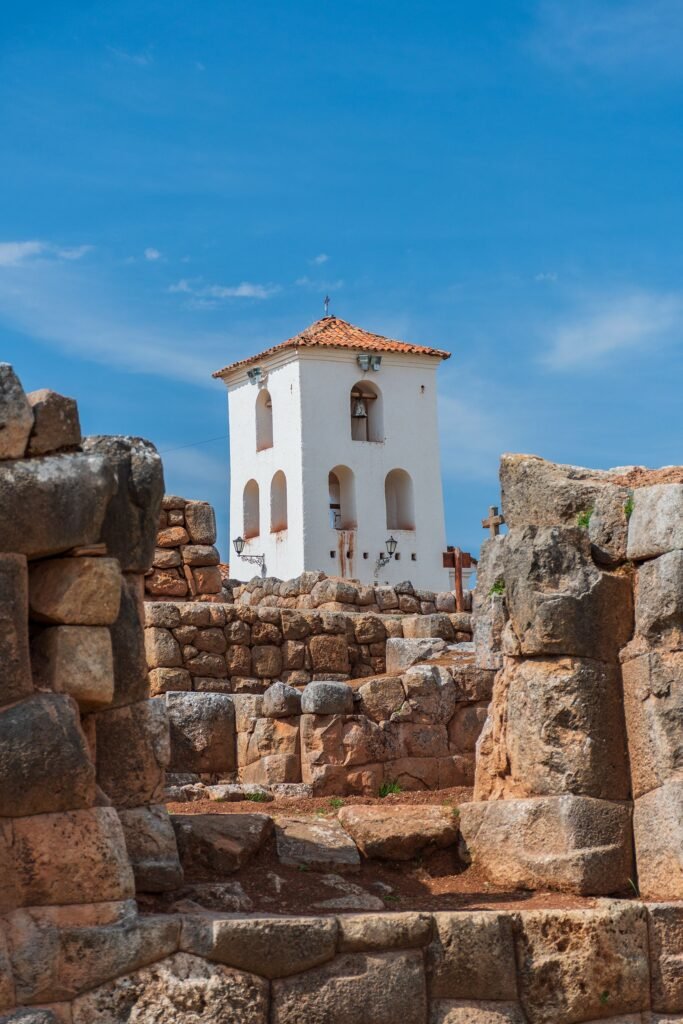
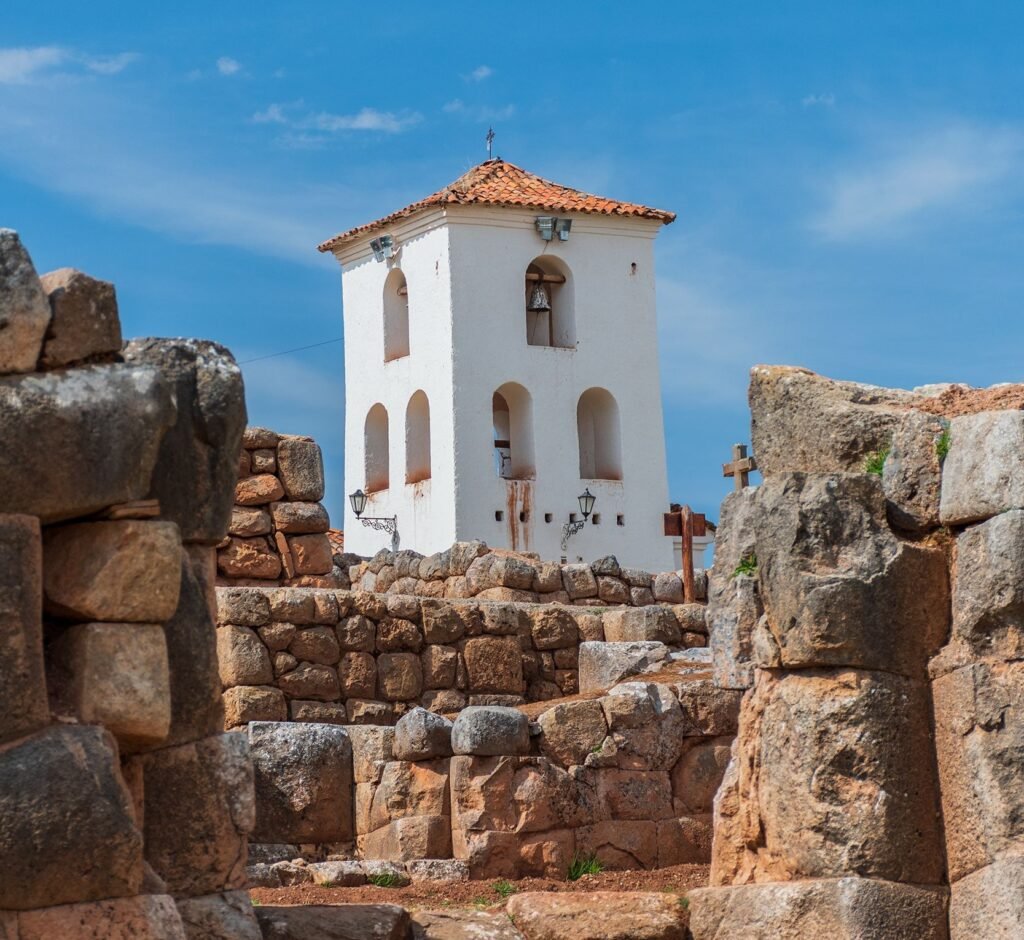
Sitting at over 3,700 meters, Chinchero is known for its traditional weaving cooperatives, colonial church built over Inca foundations, and a Sunday market that is less touristy than Pisac’s. It’s an excellent stop to learn about traditional textile techniques passed down through generations.
Moray
Moray features a striking set of circular agricultural terraces descending into a natural depression, believed to have functioned as an Inca agricultural laboratory. Each terrace level has a distinct microclimate, which historians believe the Incas used to experiment with crops from different altitudes.
Salineras de Maras
Just a short distance from Moray, the Maras salt mines consist of thousands of small pools that have been used to harvest salt since pre-Inca times, fed by a natural underground spring. The terraced, white-and-brown patchwork against the mountainside makes it one of the most photographed sites in the region.
How to Visit the Sacred Valley of the Incas
Most travelers explore the Sacred Valley on a full-day tour from Cusco, typically covering Pisac, Ollantaytambo, and Chinchero, or Moray and the Salineras. Options include:
- Group day tours: The most affordable option, usually departing early morning and returning to Cusco in the evening.
- Private tours: More flexible itineraries and pacing, ideal for travelers who want extra time at specific sites.
- Self-guided visits: Public colectivos (shared vans) connect the main towns, offering a budget-friendly and flexible way to explore independently.
- Multi-day stays: Many travelers now base themselves in Ollantaytambo or Urubamba for a night or two, both to acclimatize to altitude and to enjoy the valley at a slower pace before continuing to Machu Picchu.
A Boleto Turístico (tourist ticket) covering multiple archaeological sites in the Cusco region, including Pisac, Ollantaytambo, and Chinchero, is required to enter most of these attractions and can be purchased in Cusco or at the entrance of the first site visited.
Best Time to Visit the Sacred Valley
The dry season, from April to October, offers sunny days and minimal rainfall, making it ideal for exploring ruins and hiking. The rainy season, from November to March, brings lush green landscapes and fewer tourists, though afternoon showers are common. Because the valley sits at a lower altitude than Cusco, it’s often recommended as a first stop for travelers looking to acclimatize gradually before heading to higher elevations.
Tips for Visiting the Sacred Valley of the Incas
- Buy the Boleto Turístico in advance if you plan to visit several archaeological sites in one trip.
- Wear comfortable walking shoes, as most sites involve uneven terrain and stone stairs.
- Bring cash in Peruvian soles for local markets, since most vendors do not accept cards.
- Stay a night in the valley to acclimatize before continuing to Machu Picchu, especially if arriving directly from lower altitudes.
- Visit markets on their traditional days (Sundays in Chinchero, Sundays/Tuesdays/Thursdays in Pisac) for the most authentic experience.
- Pack layers, since temperatures can shift significantly between sunny afternoons and cold evenings.
Frequently Asked Questions About the Sacred Valley of the Incas
How many days do I need to visit the Sacred Valley of the Incas?
A single day is enough to see the highlights, but two to three days allow for a more relaxed pace and additional stops like Moray and the Salineras.
Do I need a guide to visit the Sacred Valley?
A guide isn’t mandatory, but it significantly enriches the experience by explaining the historical and cultural context of each site.
Is the Sacred Valley a good base before Machu Picchu?
Yes. Staying in Ollantaytambo or Urubamba is a popular strategy, since it reduces the travel time to catch an early train to Machu Picchu and helps with altitude acclimatization.
Can I combine the Sacred Valley with the Inca Trail?
Yes, many Inca Trail itineraries begin in the Sacred Valley, since the trailhead at Km 82 is accessible from Ollantaytambo.
Final Thoughts
The Sacred Valley of the Incas offers a rich, slower-paced counterpart to the more famous Machu Picchu, combining living Andean culture, dramatic Inca engineering, and some of Peru’s most scenic landscapes. Whether visited as a day trip from Cusco or as a multi-day base for acclimatization, the valley rewards travelers with an authentic look at both the Inca past and the traditions that continue in its towns today.